Innovation & Science
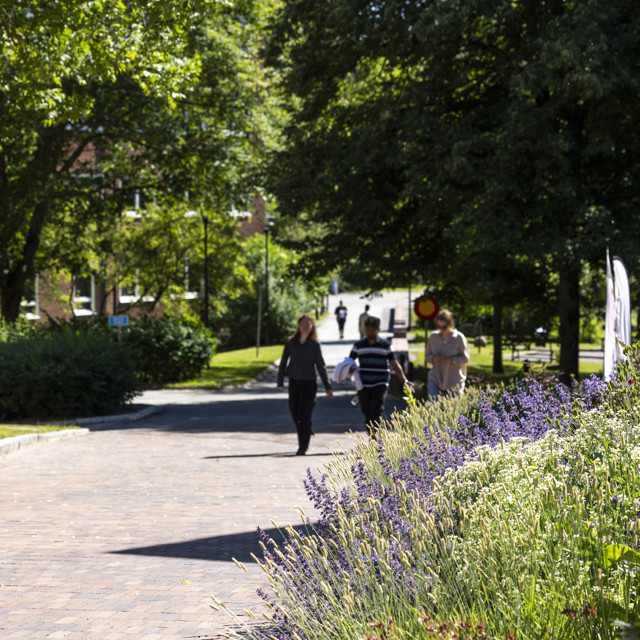
In a short time, Hagastaden has emerged as one of Europe's leading innovation districts. Here, research, healthcare, education, technology, and entrepreneurship converge. What makes Hagastaden unique is the tight link between academia, healthcare, and the business sector, providing a vital foundation for the strong life science cluster that has grown in the district. Within walking distance, there are four universities, Karolinska University Hospital, St. Erik Eye Hospital, SciLifeLab, KI Science Park, and nearly 200 life science companies.
Research, tech, and new meeting places
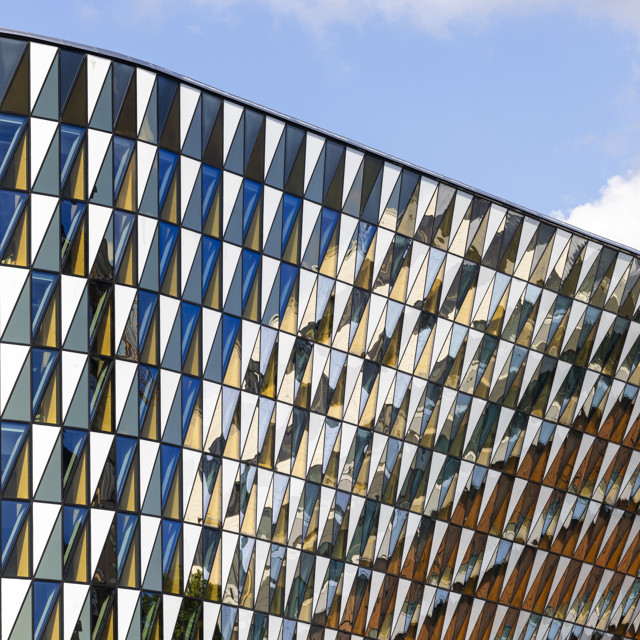
Hagastaden encompasses the entire chain—from basic research and doctoral education to clinical trials, drug development, medtech, healthtech, and clinical implementation. The intersection of science, life science, tech, and urban development is precisely where the area's greatest strength lies. Consequently, Hagastaden is described today as a mature innovation district that strengthens the entire Stockholm-Uppsala region's position as an international life science hub.
More than just life science
Hagastaden is not only strong in traditional life science—knowledge-intensive companies within ICT and tech also operate here, while environments like SciLifeLab and Karolinska drive developments in AI and data-driven research. Entrepreneurship is a vital part of the ecosystem. Innomedicum serves as the business and innovation hub on Campus Solna, housing A Working Lab, which accommodates around 40 startups and smaller companies. KI Innovations and KI Science Park help research-based ideas advance toward commercialization and new business ventures. New meeting places like Forskaren and The Cell—run by the National Museum of Science and Technology (Tekniska museet) with KI as a knowledge partner—simultaneously strengthen the exchange between research, healthcare, industry, and the public.
Karolinska Institutet (KI): One of the world's leading medical universities, KI accounts for the single largest share of medical academic research in Sweden. It offers the country's broadest range of medical education and conducts research spanning from basic biomedicine to patient-oriented studies in close collaboration with the healthcare sector.
Karolinska University Hospital: A central engine in Hagastaden's innovation environment, where research, education, and innovation are integrated into daily operations. As one of Europe's largest university hospitals, it boasts 16,500 employees, 1.6 million outpatient visits per year, and 1,730 ongoing or planned clinical studies. In 2026, Karolinska was ranked as the world's fourth-best hospital and the best in Europe by Newsweek.
St. Erik Eye Hospital (S:t Eriks Ögonsjukhus): This institution combines emergency and specialized ophthalmic care with research and education. Together with Karolinska Institutet, St. Erik operates Sweden's most comprehensive eye and vision research unit. The hospital's clinical research center enables clinical studies and drug trials in close collaboration with academia and industry.
SciLifeLab Campus Solna: The largest collaborative site within SciLifeLab, bringing together over a thousand researchers and staff from Karolinska Institutet, KTH Royal Institute of Technology, and Stockholm University. This interdisciplinary strength is further reinforced by the Stockholm trio, the university alliance between KI, KTH, and Stockholm University.
Hagastaden is both a growth engine and a hub for life science in the region. The strong research environments provide a solid foundation for life science entrepreneurs.
Ylva Williams, CEO of Stockholm Science City Foundation

Where Nobel Laureates Are Chosen
Since 1901, the Nobel Assembly at Karolinska Institutet has been responsible for selecting the recipients of the Nobel Prize in Physiology or Medicine. The assembly consists of 50 professors from Karolinska Institutet, and the research is conducted by its Nobel Committee.
The Nobel Prize honors researchers who have made the most significant discoveries for the benefit of humanity. During Nobel Week in December, Nobel laureates can be found in Hagastaden, where they give lectures, engage in discussions, and participate in inspirational meetings.